




Turkey Travel Rules Every Tourist Should Know
Turkey is generally straightforward to visit, and millions of international travelers arrive each year without encountering legal problems.
The mistakes that cause trouble are usually avoidable.
A traveler brings a prescription medicine without checking whether it is controlled. Someone photographs a military facility because it looks like an ordinary building. A tourist accepts an invitation from a stranger to a nightclub and ends up with an unexpectedly large bill. Someone assumes that cannabis or CBD products are treated the same way in Turkey as they are at home.
The rules are not necessarily complicated.
The problem is that some of them are very different from those in Western Europe, North America or other popular tourist destinations.
This guide explains the most important Turkey travel rules for tourists, with particular attention to Istanbul. It covers drugs, medicines, customs, photography, drones, alcohol, nightlife, personal identification, scams, safety after dark and what to do if you are robbed, assaulted, threatened or otherwise need emergency help.
The information is intended for travelers planning an Istanbul tour, Istanbul city tour or independent trip through Turkey. Laws and official procedures can change, so travelers with unusual medicines, drones, professional photography equipment or other restricted items should verify the current requirements with the relevant Turkish authority before departure.
Is Turkey Safe for Tourists?
For most visitors staying in Istanbul’s established tourist districts, ordinary precautions are usually sufficient.
That does not mean crime does not happen.
Official UK travel advice specifically warns that street robbery and pickpocketing occur in major tourist areas of Istanbul. It also warns travelers about drink spiking, unofficial taxis and approaches from strangers offering to take them to restaurants or nightclubs.
There are also broader security considerations. Demonstrations can become confrontational, and official travel advice recommends avoiding demonstrations and leaving an area if one develops.
For a normal tourist itinerary, the practical approach is simple:
Stay aware in crowded areas, protect your phone and wallet, use legitimate transportation, be careful with strangers offering nightlife recommendations, and do not experiment with substances whose legal status you do not know.
Turkey Has Strict Drug Laws
This is the single most important legal warning for international visitors.
Do not bring illegal drugs into Turkey.
Do not buy them.
Do not carry them for another person.
Do not assume that a small quantity will be treated as a minor offense.
Turkey imposes severe penalties for illegal drugs, including cannabis. Current UK government travel advice states that possession, use or smuggling can result in prison sentences of 4 to 24 years and heavy fines. The warning also applies to people transiting through Turkish airports.
Turkish airports use sophisticated security screening, including for transit passengers.
That means a traveler connecting through Istanbul Airport should not assume that Turkish law is irrelevant because Turkey is only a transit point.
Is Cannabis Legal in Turkey?
No.
Do not bring cannabis, marijuana or THC products into Turkey.
The same caution applies to products that may be legally sold in another country.
A cannabis edible, THC oil, resin, flower or similar product can create serious legal problems at the Turkish border.
What About CBD Oil?
Do not assume that CBD is automatically legal simply because it is sold legally where you live.
Cannabis-derived products can have different legal classifications, and Turkish authorities may not treat a product the same way as the country where you purchased it.
If a product contains cannabis-derived ingredients, THC or CBD and you are considering bringing it into Turkey, obtain specific confirmation from the relevant Turkish authorities before traveling.
For a holiday, the safest rule is simple:
Do not pack cannabis-derived products unless you have verified their legality and obtained any required documentation.
Prescription Medicines and Turkey’s Border Rules
Prescription medication is a different matter from illegal drugs.
Travelers are generally permitted to bring reasonable quantities of medication needed for personal treatment, but Turkish customs guidance says passengers should have supporting documentation such as a prescription, doctor’s report or healthcare institution report demonstrating the need for the medicine during the trip.
This becomes especially important when your medication contains an ingredient that is internationally controlled or regulated.
What Documents Should You Carry?
If you regularly take prescription medicine, carry:
- The original prescription
- A doctor’s letter or medical report
- The medicine in its original packaging
- Your name clearly associated with the prescription
- The generic name of the active ingredient if possible
- Only the quantity reasonably required for your trip
For controlled medicines, obtain specific confirmation before traveling rather than relying solely on a prescription from your home country.
Can I Bring Sleeping Pills to Turkey?
This depends on the active ingredient.
“Sleeping pill” is not a legal category.
Some sleeping medicines contain substances that are controlled or restricted in Turkey.
The same applies to certain anti-anxiety medicines, sedatives, stimulants, strong painkillers and other psychiatric or neurological medications.
Before flying, check the active ingredient, not just the commercial brand name.
What About Antidepressants?
Many commonly prescribed antidepressants are not treated like narcotics, but travelers should still carry them in their original packaging with a prescription or medical report.
If your medication is unusual, contains a controlled substance or you are carrying a large quantity, obtain written guidance before departure.
What About ADHD Medication?
This is an area where travelers should be particularly careful.
Some ADHD medicines contain controlled stimulant substances.
Do not assume that a prescription that is valid in the United States, Canada, the UK or another country automatically gives you permission to import the medicine into Turkey.
Check the active ingredient and Turkish import requirements before your flight.
Never Put Someone Else’s Medicine in Your Luggage
A friend asking you to carry a package of tablets into Turkey may sound harmless.
It isn’t worth the risk.
You are responsible for what is inside your luggage.
The same applies to packages, supplements, powders and unlabelled pills.
If you did not buy it and you do not know exactly what it contains, don’t carry it across an international border.
Customs Rules in Turkey
Turkey has rules governing what passengers can bring into the country in accompanied baggage.
Personal medication is recognized as a category of goods that travelers may bring for personal treatment, subject to the applicable conditions.
The same principle applies to other restricted products: being a tourist does not exempt you from customs controls.
If you are uncertain about an item, declare it rather than attempting to hide it.
Customs officers have authority to inspect luggage.
Keep Medicines in Their Original Packaging
This is one of the simplest precautions you can take.
Do not transfer prescription tablets into an anonymous plastic bag.
Keep the pharmacy packaging showing:
- Your name
- Medicine name
- Strength
- Dosage
- Manufacturer
A prescription or doctor’s report should match the medicine whenever possible.
This makes it much easier to explain the medication during a customs inspection.
Can Tourists Bring Vitamins and Supplements?
Ordinary personal quantities of common vitamins and supplements are generally less problematic than controlled medicines, but travelers should still be cautious with products containing unusual ingredients.
Do not assume that a supplement sold freely in your country has the same status in Turkey.
This is especially relevant to products containing stimulant, hormone, cannabis-derived or pharmaceutical ingredients.
Photography Laws in Turkey
Istanbul is one of the world’s great cities for photography.
You can photograph mosques, streets, markets, ferries, architecture and many public spaces.
But there are boundaries.
Turkish travel guidance specifically advises travelers not to photograph military or official installations and to ask permission before photographing people.
The US State Department similarly warns travelers not to photograph or film Turkish military sites or operations.
Can I Photograph People in Turkey?
As a matter of courtesy and personal privacy, ask before taking a close-up photograph of someone.
This is especially important when photographing:
- Women
- Children
- Street vendors
- Religious ceremonies
- People praying
- Workers in private workplaces
- People who are clearly uncomfortable with the camera
A wide photograph of a busy public street is different from walking directly up to someone and photographing their face.
The latter can easily create an argument.
Photographing Women Without Permission
There is an important cultural point that international visitors sometimes underestimate.
Taking a photograph of a woman without her knowledge, particularly a close-up or intrusive photograph, can produce a strong negative reaction.
This is not a rule that says tourists are prohibited from photographing women in public.
It is a matter of privacy, consent and social expectations.
If someone notices that you are photographing her and asks you to stop, stop.
Do not argue that “it is a public place.”
If you want a portrait, ask first.
This is especially important around religious sites, neighborhoods where people are going about their daily lives, and situations where the person clearly believes they are being singled out.
Can I Film in Istanbul?
Yes, tourists routinely film Istanbul.
You can generally make personal travel videos of streets, architecture, markets and attractions where photography is permitted.
But filming security personnel, police operations, military facilities or restricted government installations can create problems.
If an officer tells you to stop filming, comply and ask whether there is a permitted area where you can continue.
Can I Photograph the Police?
Avoid photographing police officers or security operations unless you have a clear reason and permission.
Even when a particular image might not obviously violate a law, filming a security operation can attract unwanted attention.
The safest travel habit is:
Don’t point a camera at security activity.
Photographing Mosques and Religious Sites
Tourists can photograph many mosques and historic religious buildings.
But behave as you would in any active place of worship.
Dress appropriately.
Do not photograph people while they are praying without permission.
Follow signs regarding photography.
Do not use flash when prohibited.
And remember that a mosque is a functioning religious space, not simply a tourist attraction.
Drone Laws in Turkey
This is another area where tourists can easily make a mistake.
You cannot simply arrive in Istanbul with a drone, turn it on and fly it over the Bosphorus.
Turkey regulates unmanned aircraft.
The Turkish Directorate General of Civil Aviation’s official drone system states that pilots intending to operate an unmanned aircraft weighing 500 grams or more in Turkish airspace must register in the system and obtain approval.
The Turkish e-Government system also provides separate services for:
- UAV pilot registration
- UAV flight permission
- UAV registration
- UAV pilot authorization
Can Tourists Fly a DJI Drone in Istanbul?
Not automatically.
The brand does not matter.
A DJI Mini, Air, Mavic or other drone is still subject to Turkish aviation regulations.
The weight of the drone and the location of the proposed flight matter.
You should check the current SHGM requirements before bringing or flying the drone.
Can I Fly a Drone Over the Bosphorus?
Do not assume that the Bosphorus is an unrestricted drone area.
Istanbul contains airports, heliports, military and government facilities, dense urban areas and other locations where drone operations can be restricted.
Obtain the required registration and permission before flying.
A beautiful aerial view is not worth risking confiscation or legal problems.
Can I Fly a Drone Near Istanbul Airport?
This is an especially bad idea without proper authorization.
Airspace around airports is heavily controlled.
Do not fly near Istanbul Airport or Sabiha Gökçen Airport unless you have the legally required permissions.
The same principle applies to heliports and other controlled aviation areas.
Alcohol Laws in Turkey
Turkey is not a country where alcohol is generally prohibited.
Licensed restaurants, bars, hotels, nightclubs and other establishments sell alcohol.
But that does not mean you can treat every public place as an outdoor bar.
Local restrictions can apply, and drinking in a way that creates public disorder can bring police attention.
For tourists, the sensible rule is:
Drink in licensed venues and avoid walking around public spaces openly consuming alcohol.
Do not assume that because you see someone drinking somewhere, it is automatically permitted everywhere.
Can Tourists Drink Alcohol on the Street in Istanbul?
Do not make public drinking part of your Istanbul itinerary.
Alcohol consumption is regulated, and local authorities can impose restrictions in public areas.
More importantly, being visibly drunk in the street creates unnecessary risks: theft, arguments, accidents, harassment and problems with police.
A licensed bar, restaurant, hotel or nightclub is a much safer environment.
Do Not Drink and Drive in Turkey
This is non-negotiable.
Do not drive after drinking.
If you are going out in Istanbul, use a registered taxi, pre-booked transfer or public transportation rather than getting behind the wheel.
Official travel guidance also warns that police enforce drink-driving laws and that drunk drivers can face fines and loss of their driving licence.
Smoking Rules in Turkey
Smoking is prohibited on public transport and in indoor workplaces and public places. Restrictions also apply to certain outdoor areas where cultural, artistic, sporting or entertainment events take place.
Do not assume that a bar, nightclub or restaurant allows smoking indoors simply because other customers appear to be doing it.
Follow the venue’s rules and staff instructions.
Carry Identification in Turkey
Tourists should carry identification.
Current travel advice states that it is illegal not to carry some form of photographic identification in Turkey and recommends carrying a passport or residence permit. Police may conduct identity checks, particularly in busy areas.
For practical reasons, many travelers prefer not to carry their original passport everywhere.
A secure approach is to ask your accommodation whether they recommend carrying the original or a copy for the particular activity. For situations where authorities specifically require the original document, however, a photograph on your phone is not a substitute.
Do Not Insult the Turkish Nation or Flag
Turkey has specific laws concerning insulting the Turkish nation and Turkish flag.
UK government travel guidance warns that these laws can also apply to comments or images posted online and states that violations can carry imprisonment of 6 months to 3 years.
Tourists should therefore avoid provocative political posts, videos or public behavior involving national symbols.
You are a visitor.
There is no practical reason to test the boundaries of Turkish law during a holiday.
Be Careful Around Political Demonstrations
If you see a demonstration in Istanbul, don’t treat it as a tourist spectacle.
Do not walk into the crowd to take photographs.
Do not argue with participants.
Do not film police operations.
Official travel advice warns that demonstrations can become violent and recommends avoiding them.
This is particularly relevant around central Istanbul, where large gatherings can also disrupt public transportation.
Istanbul Night Safety: Where Should Tourists Be Careful?
Istanbul is active late into the night, particularly around Beyoğlu, Beşiktaş, Kadıköy and other central districts.
That does not mean every street is equally suitable for walking at 2 a.m.
The safest principle is not to memorize a list of “dangerous neighborhoods.”
Instead, avoid:
- Empty side streets late at night
- Industrial or abandoned areas
- Poorly lit streets
- Unfamiliar residential streets far from your accommodation
- Areas around transport hubs after crowds disappear
- Unlicensed or suspicious nightlife venues
- Invitations from strangers to private parties
Stay on active streets when walking at night.
If a route becomes deserted, take a registered taxi or another reputable form of transportation.
Is Sultanahmet Safe at Night?
The central Sultanahmet tourist zone is generally active and well visited, but crowds decrease considerably after the major attractions close.
The same common-sense rules apply.
Keep your phone secure.
Avoid empty streets.
Be cautious when approached by strangers offering restaurant or nightlife recommendations.
Is Taksim Safe at Night?
Taksim and İstiklal remain major nightlife and entertainment areas.
The busiest sections can be crowded well into the evening.
Pickpocketing and street scams are still possible, particularly in crowded areas.
The problem is not simply “Taksim is dangerous.”
It is that a busy nightlife district creates opportunities for people who target distracted visitors.
Is Karaköy Safe at Night?
Karaköy is a major restaurant, bar and nightlife district.
The main streets are busy, but quieter streets can become much less active late at night.
If you have been drinking, don’t wander around looking for your hotel.
Use a reputable taxi or pre-booked transfer.
Is Kadıköy Safe at Night?
Kadıköy has a substantial evening and nightlife scene and is popular with both locals and visitors.
The same rule applies: stay in active areas, protect valuables and use reliable transportation when returning late.
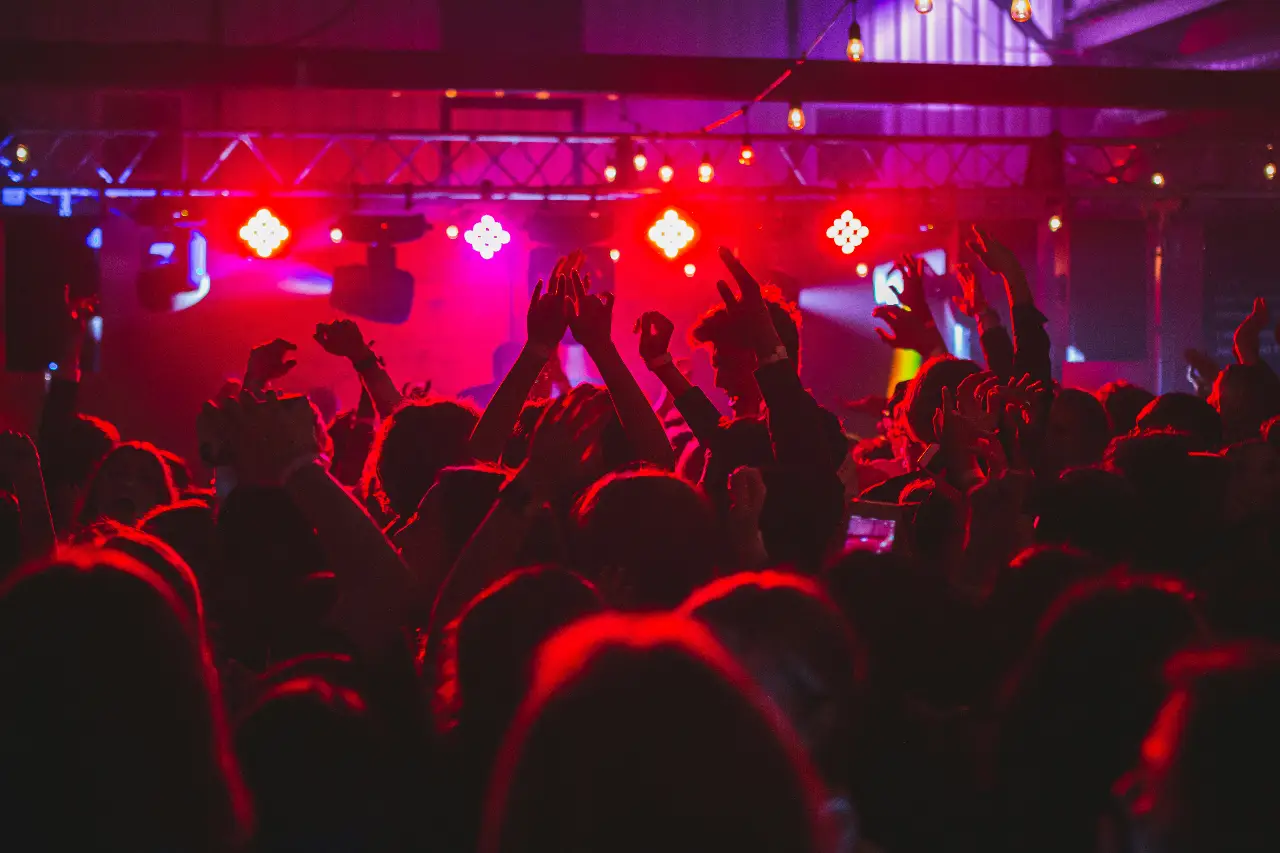
Nightlife Safety in Istanbul
Istanbul has an enormous range of bars, clubs and late-night venues.
Most visitors go out, have dinner or drinks and return to their hotel without any problem.
But nightlife requires more caution than daytime sightseeing.
The main risks for tourists are often not random violent crime.
They are:
- Drink spiking
- Overcharging
- Fake or misleading club invitations
- Unlicensed venues
- Theft
- Phone snatching
- Intoxication
- Sexual harassment or assault
- Unofficial taxis
- Arguments after excessive drinking
Never Follow a Stranger to a Nightclub
This is one of the most useful rules in this entire article.
A stranger may approach you around Taksim, İstiklal, Sultanahmet or another tourist area and say:
“Come to my club.”
Or:
“Best nightclub tonight.”
Or:
“My friend owns a bar.”
This can lead to an inflated bill or other problems.
Official UK travel advice specifically warns travelers about strangers approaching them to take them to restaurants or nightclubs and advises buying your own drinks and keeping them in sight.
If you want nightlife, choose the venue yourself.
How to Stay Safe in an Istanbul Nightclub
Before entering:
Check the venue name.
Check its location.
Check the approximate price level.
If possible, use the venue’s official reservation channel.
Inside:
Keep your drink with you.
Don’t accept an opened drink from a stranger.
Don’t leave your phone and wallet unattended.
Watch your belongings when moving through crowded areas.
If you suddenly feel unusually confused, dizzy, weak or disoriented after consuming a normal amount of alcohol, tell your friends and venue staff immediately.
Drink Spiking in Istanbul
Drink spiking is a real international nightlife risk and should be taken seriously in Istanbul.
Official UK travel advice specifically warns of food and drink spiking in Turkey and advises travelers to buy their own drinks and keep them in sight.
If you suspect that someone has put something in your drink:
Tell a trusted friend.
Tell venue staff.
Move to a safe place.
Call 112 if you need urgent medical or police assistance.
Do not leave with someone you have just met because you suddenly feel unwell.
What If Your Drink Is Spiked?
Symptoms can include sudden confusion, unusual drowsiness, poor coordination, memory loss, vomiting or an unexpectedly severe reaction compared with the amount of alcohol consumed.
If symptoms are serious, seek medical assistance immediately.
Preserve the drink or glass if possible.
Tell the venue exactly what happened.
Report the incident to police.
Most importantly, do not blame yourself.
Methanol and Fake Alcohol
There is another alcohol-related risk that deserves attention.
Official travel advice warns that illegally produced spirits and counterfeit alcohol have caused serious illness and deaths in Turkey, including Istanbul. Methanol cannot be reliably detected by taste or smell.
This is why tourists should avoid suspiciously cheap spirits and alcohol from unofficial sources.
Choose established, licensed venues.
Be particularly cautious if a bottle looks tampered with or the price seems implausibly low.
If you or a friend becomes seriously ill after drinking alcohol, seek urgent medical care.
Istanbul Taxi Safety
Use registered taxis.
Do not accept random offers of transportation from strangers outside airports, clubs or tourist attractions.
Official travel advice recommends using registered taxis, noting the registration number before entering and ensuring that the meter is used. App-based and pre-booked taxis are also widely available.
This is particularly important after nightlife.
Do not get into an unknown vehicle simply because the driver offers a lower price.
What If a Taxi Driver Overcharges You?
If there is a dispute, stay calm.
Do not threaten the driver.
Record the taxi plate number.
Keep your receipt or payment record if available.
If the situation becomes threatening, get to a safe public place and contact 112.
Pickpocketing in Istanbul
Pickpocketing is most likely where crowds make it easy to work unnoticed.
Be especially careful around:
- Public transportation
- Busy tram stops
- Metro entrances
- İstiklal Avenue
- Grand Bazaar
- Spice Bazaar
- Major tourist attractions
- Ferry terminals
- Crowded nightlife areas
Don’t keep your phone in the back pocket of your trousers.
Don’t leave your wallet on a restaurant table.
Don’t place a phone on the edge of a café table beside the street.
A cross-body bag with a secure closure is more practical than an open handbag.
What If Your Phone Is Stolen?
First, move somewhere safe.
Then:
Call your mobile provider and suspend the SIM if necessary.
Use your device’s remote tracking service.
Change important passwords.
Contact the police and report the theft.
If your phone contains banking applications, notify your bank.
If your passport was also stolen, contact your embassy or consulate.
What If Your Passport Is Stolen?
Report the theft to the Turkish police.
Then contact your embassy or consulate.
Keep digital copies of your passport, visa and travel insurance details somewhere accessible before traveling.
A second copy stored separately can save considerable time.
What If a Tourist Is Robbed?
If there is an immediate threat or the crime has just occurred, call 112.
Turkey now operates a unified emergency number covering police, ambulance, fire and other emergency services.
Tell the operator:
- Your location
- What happened
- Whether anyone is injured
- Whether the offender is still nearby
- Your name and contact number
If there is no immediate danger, you can still report the crime to the police.
Turkey’s Emergency Number Is 112
Memorize this number before your trip:
112
It covers emergency services including:
Police + Ambulance + Fire + Gendarmerie + Coast Guard + other emergency response
The Turkish 112 system has consolidated the former emergency numbers into one system.
In Istanbul, the official 112 emergency center operates under the Ministry of Interior’s emergency call system.
You do not need to remember separate numbers for police and ambulance.
For a genuine emergency, call 112.
What If a Woman Is Sexually Harassed or Assaulted?
If you are in immediate danger, get somewhere safe and call 112.
If possible, stay with a trusted person.
Report the incident to the Turkish police.
If you are staying at a hotel, notify hotel management as well.
You can also contact your embassy or consulate for consular assistance.
Official UK travel guidance specifically advises victims of sexual harassment or assault to report the incident to the hotel and Turkish police and to call 112 when necessary.
The same principle applies to male travelers.
Sexual assault is not a “women’s issue.”
Any tourist can be a victim.
What If Someone Threatens or Attacks You?
Don’t escalate the situation.
Move toward a populated place.
Call 112.
If you are physically injured, request medical assistance.
If the attacker is still nearby, tell the emergency operator.
Do not chase someone who has stolen your property.
Your phone or wallet is not worth a second injury.
What If a Tourist Is Sexually Assaulted in a Club?
Get away from the person responsible.
Tell venue security immediately.
Ask staff to preserve relevant CCTV footage.
Call 112.
Seek medical attention as soon as possible.
If you suspect drink spiking, mention that specifically to the medical team.
Do not assume that being intoxicated prevents you from reporting a crime.
Turkish Cultural Rules Tourists Should Respect
Not every important rule is written on a sign.
Turkey is culturally diverse, but some basic forms of courtesy are widely appreciated.
Dress Appropriately at Mosques
When visiting mosques, dress modestly.
Women may be asked to cover their hair, shoulders or legs depending on the circumstances.
Men should avoid entering religious sites wearing shorts that are considered inappropriate.
Follow the mosque’s instructions.
Remove Shoes Where Required
Many mosques require visitors to remove their shoes before entering the prayer area.
Follow the signs and the behavior of other visitors.
Don’t Interrupt Prayer
Do not walk directly in front of someone praying.
Do not photograph worshippers without permission.
Public Behavior
Normal public affection is common in Istanbul, but avoid excessive displays of intimacy in religious or conservative settings.
The goal is not to be afraid of Turkish culture.
It is simply to recognize where you are.
Ramadan and Tourist Behavior
During Ramadan, travelers should be especially considerate.
Official travel guidance notes that eating, drinking or smoking openly in public during daylight hours can cause offense, particularly during Ramadan, even though tourists are not generally expected to observe the fast themselves.
Restaurants serving tourists may remain open, and hotels often continue normal food service.
The sensible approach is to follow the atmosphere of the place you are visiting.
Buying Antiquities in Turkey
This is a major issue for shoppers.
Do not buy an archaeological object simply because a seller tells you:
“It’s old, but you can take it home.”
Turkish law restricts the purchase and export of antiquities.
UK government travel guidance warns that buying or exporting antiquities can lead to fines and prison sentences of 5 to 12 years, and that some objects that can legally be sold within Turkey may still be illegal to export.
This is particularly relevant when shopping in:
- Antique markets
- Flea markets
- Old book markets
- Rural markets
- Antique shops
Ask for documentation proving that an item can legally be exported.
If the seller cannot provide convincing documentation, leave it.
Can I Buy Old Coins in Turkey?
Be careful.
Coins, archaeological objects and other historical items can fall under cultural heritage restrictions.
Do not buy an old coin from a street seller and assume it is merely a souvenir.
If you want historical-looking objects, buy clearly modern reproductions from reputable shops.
Can I Take Stones or Archaeological Pieces Home?
Do not remove archaeological objects from historical sites.
A small piece of pottery may look worthless.
Legally, that does not make it yours.
The same principle applies to coins, fragments, statues, inscriptions and other archaeological material.
Turkey Travel Rules for Social Media
Tourists should also think before posting political or provocative material.
Turkish law concerning insulting the Turkish nation and flag can apply to online comments and images, according to current UK government travel guidance.
Don’t assume that because you are using a foreign social-media account, Turkish laws do not matter.
Can Tourists Film Police or Demonstrations for YouTube?
This is an area where caution is better than experimentation.
Do not film security operations, police interventions or military facilities.
If a demonstration is taking place, stay away rather than approaching with a camera.
Official advice recommends avoiding demonstrations because they can become violent.
What About Drones for YouTube or Travel Blogs?
If you are producing commercial or professional content, don’t treat your drone like a smartphone.
Drone registration, pilot requirements, flight permission and location restrictions may apply.
The Turkish Civil Aviation authority maintains the official registration and permission systems for unmanned aircraft.
Arrange the necessary permissions before your trip.
A Practical Turkey Tourist Rules Checklist
Before leaving home:
- Check the visa and entry requirements for your nationality.
- Check prescription medicines and controlled substances.
- Carry prescriptions and medical reports.
- Keep medicines in original packaging.
- Don’t pack cannabis, THC or illegal drugs.
- Check drone requirements if bringing one.
- Make digital copies of your passport.
- Save your travel insurance information.
- Save the emergency number 112.
- Use reputable airport transfers and taxis.
- Research nightlife venues before visiting them.
During your Istanbul trip:
- Carry photographic ID.
- Protect your phone and wallet.
- Don’t photograph military or official installations.
- Ask before photographing people closely.
- Don’t photograph women or children intrusively.
- Don’t fly a drone without the required authorization.
- Drink alcohol in legitimate venues.
- Don’t drink and drive.
- Keep your drink in sight.
- Don’t follow strangers to clubs.
- Don’t buy suspiciously cheap spirits.
- Avoid demonstrations.
- Dress appropriately in mosques.
- Don’t buy archaeological objects without verifying their legal status.
- Call 112 if you face an emergency.
The Most Important Rules to Remember
If you don’t want to remember this entire guide, remember these ten points.
1. Drugs are not a joke in Turkey.
Cannabis and other illegal drugs can lead to very long prison sentences and heavy fines.
2. Check prescription medicines before flying.
Carry original packaging, prescriptions and medical documentation.
3. Don’t photograph military or official installations.
If you’re unsure, don’t take the photograph.
4. Ask before photographing people closely.
Especially women, children and people in sensitive situations.
5. Don’t fly a drone casually in Istanbul.
Registration and flight permissions can apply, including for drones weighing 500 g or more.
6. Don’t follow strangers to nightclubs.
Choose your own venue and check the price before ordering.
7. Protect your drink.
Drink spiking is a recognized risk in nightlife environments.
8. Use registered taxis.
Avoid unofficial drivers, particularly after midnight.
9. Don’t buy suspicious antiquities.
An “old souvenir” can become a serious customs problem.
10. Remember 112.
Police, ambulance and other emergency services are coordinated through the unified emergency number.
How a Well-Planned Istanbul Tour Makes Your Trip Easier
Understanding Turkish laws is only one part of preparing for Istanbul.
The other is planning your days intelligently.
Istanbul is enormous, and some attractions are on opposite sides of the city. A poorly planned itinerary can leave you spending hours in traffic, while a properly arranged Istanbul daily tour can combine nearby attractions into a logical route.
This is particularly useful for first-time visitors who want to see the historic peninsula, Hagia Sophia, the Blue Mosque, Topkapı Palace, the Grand Bazaar, the Spice Bazaar, Galata, the Bosphorus and Istanbul’s neighborhoods without constantly arranging transportation themselves.
A guided or professionally arranged Istanbul city tour also gives you someone who understands the local environment and can help when practical problems arise.
At Zero Markup Trips, our Istanbul tours are designed around the actual places travelers want to experience rather than simply putting a long list of attractions into one itinerary.
If you are planning your first visit, see our Istanbul tour packages and daily city tours and choose the route that fits your travel dates, interests and preferred pace.
The best Istanbul trip is not the one where you see the largest number of places.
It is the one where you know where you are going, understand the local rules, avoid unnecessary risks and have enough time to actually enjoy the city.
Frequently Asked Questions About Turkey Travel Rules
What is the emergency number for tourists in Turkey?
112 is the unified emergency number for police, ambulance, fire and other emergency services.
Are drugs illegal in Turkey?
Yes. Illegal drugs, including cannabis, are subject to severe penalties. Possession, use and smuggling can result in lengthy prison sentences and heavy fines.
Can I bring prescription medicine to Turkey?
Personal medication can generally be brought in reasonable quantities when required for treatment, but travelers should carry supporting medical documentation such as a prescription or doctor’s report.
Can I bring sleeping pills to Turkey?
It depends on the active ingredient. Some sedatives and sleep medicines may be controlled. Check the exact medicine and Turkish requirements before traveling.
Can tourists bring antidepressants to Turkey?
Many can be carried for personal treatment, but original packaging and medical documentation are recommended. Medicines containing controlled substances require additional caution.
Can I bring ADHD medication to Turkey?
Some ADHD medicines contain controlled stimulants. Check the active ingredient and Turkish requirements before your trip rather than assuming your home-country prescription is sufficient.
Can I take photographs in Istanbul?
Yes. Photography is common throughout Istanbul, but do not photograph military or official installations and ask permission before taking close photographs of people.
Can I photograph Turkish women in public?
You should ask permission before taking a close or identifiable photograph of someone. Photographing a woman without her knowledge, especially in an intrusive way, can cause a serious social confrontation.
Can I film the police in Turkey?
Avoid filming police and security operations. Do not film military sites or operations.
Can tourists fly drones in Istanbul?
Only subject to the applicable Turkish aviation rules. Drone registration and flight permission requirements apply in relevant circumstances, and the official SHGM system provides registration and permission services.
Can I fly a DJI Mini drone in Istanbul?
Do not assume that a small DJI drone is automatically permitted. Check its weight, registration requirements, flight restrictions and permission requirements before flying.
Can tourists drink alcohol in Turkey?
Alcohol is legally sold in licensed establishments, including restaurants, bars and nightclubs. Tourists should not assume that open drinking is permitted in every public space.
Is public drinking legal in Istanbul?
Do not assume that you can drink alcohol freely in streets, parks or other public areas. Local restrictions and public-order rules can apply. Drinking in licensed venues is the safer choice.
Is Istanbul safe at night?
Many central tourist and nightlife districts remain active late at night, but pickpocketing, scams, drink spiking and other crimes can occur. Avoid deserted streets, use reputable transportation and keep valuables secure.
Are Istanbul nightclubs safe?
Established licensed venues can be perfectly reasonable places to spend an evening, but tourists should avoid following strangers to clubs, keep drinks in sight and check prices before ordering.
What should I do if I am robbed in Istanbul?
If there is an immediate threat, call 112. Move to a safe location, report the crime to police and contact your bank or mobile provider if financial cards or your phone were stolen.
What should a woman do if she is assaulted in Istanbul?
Get somewhere safe and call 112 if there is immediate danger. Report the incident to Turkish police and seek medical attention where appropriate. Your hotel and embassy or consulate can also assist with practical support.
What should a man do if he is assaulted?
The procedure is the same. Move to safety, call 112 for an emergency, report the incident to police and seek medical assistance if necessary.
Can I buy antiques in Turkey?
Some antiques and historical objects can be legally sold within Turkey but may be illegal to export. Verify the legal status and obtain appropriate documentation before purchasing anything that could be considered an antiquity.
Can I take an old coin home from Turkey?
Do not assume that an old coin is a legal souvenir. Archaeological objects can be protected under Turkish law. Buy modern reproductions unless you have clear documentation that an item can legally be exported.
Do I have to carry my passport in Turkey?
You should carry photographic identification. Current travel advice recommends carrying your passport or residence permit, and identity checks can occur in Istanbul.
Can tourists join political demonstrations?
They should not. Demonstrations can become violent and can attract police intervention. Avoid them and leave the area if one develops.
What are the most important laws for tourists visiting Istanbul?
The most important are the strict drug laws, rules concerning controlled medicines, restrictions on photographing military and official installations, drone regulations, identification requirements, cultural heritage rules, alcohol and driving laws, and rules concerning public order and political activity.
What is the safest way to explore Istanbul at night?
Stay in busy areas, use reputable transportation, avoid unsolicited nightlife invitations, keep your phone and wallet secure, watch your drinks and avoid walking through unfamiliar deserted streets late at night.
Should I book an Istanbul tour instead of exploring independently?
Independent travel works well in Istanbul, but a professionally organized Istanbul tour can make sense if you want to combine major attractions efficiently, avoid unnecessary transportation and have local assistance during your trip. For first-time visitors with limited time, a well-planned Istanbul daily tour can be particularly useful.
Related guides:
Where to Stay in Istanbul in 2026: 12 Best Areas for First-Time Visitors, Couples & Families
How Many Days in Istanbul Do You Really Need? 2, 3, 4, 5, 7 & 10-Day Itineraries
Topkapi Palace Istanbul: Complete Visitor Guide
Dolmabahce Palace Istanbul and Its Gates, Complex & Painting Museum
Contact Us


